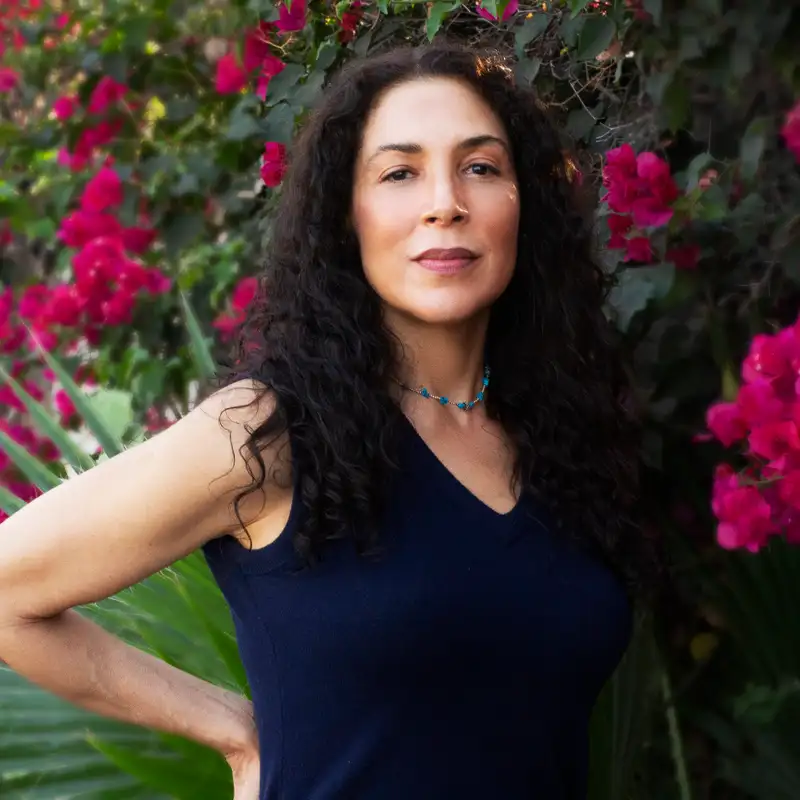
Toni Ann Johnson on “But Where’s Home?” | Writing Black Family Stories & Historical Fiction
In this episode of The Pen Game, host William Person sits down with acclaimed author Toni Ann Johnson to discuss her latest novel, "But Where’s Home?"—the third installment in her compelling Arrington family series.
Set in 1960s upstate New York, But Where’s Home? follows a Black family navigating identity, belonging, and community during a time of social change. Johnson shares her approach to crafting multi-generational characters, building authentic historical settings, and exploring themes of race, family, and resilience through fiction.
From character development and dialogue to world-building and emotional truth, this conversation highlights how powerful stories are shaped and why they matter. Whether you're an aspiring author, a screenwriter, poet, or creative writer, this episode of The Pen Game expands your understanding of narrative craft through the lens of Black literature and long-form storytelling.
Show Notes:
We dive into a compelling conversation with writer Toni Ann Johnson as she unpacks the layers of her series about the Arrington family, exploring themes of race, belonging, and personal growth. This episode offers insights into her storytelling techniques, character development, and the intricate reflections on her own experiences that shape her work.
In this episode:
Show Notes:
We dive into a compelling conversation with writer Toni Ann Johnson as she unpacks the layers of her series about the Arrington family, exploring themes of race, belonging, and personal growth. This episode offers insights into her storytelling techniques, character development, and the intricate reflections on her own experiences that shape her work.
In this episode:
- The origins of Johnson’s series and her personal journey in writing about her family and community
- How her characters reflect diverse perspectives on race, class, and identity
- Techniques of narrative voice, including the use of first, second, and third person
- The structural choices behind the series’ storytelling styles and point of view shifts
- The role of Monroe’s setting as both a reflection and critique of societal comforts and prejudices
- How childhood experiences of racism and family dynamics inform Johnson’s character arcs
- The evolution of characters like Maddie, Livia, Velma, and Phil, and their internal conflicts
- The thematic exploration of assimilation, black identity, and the pursuit of the ‘white ideal’
- Johnson’s future projects and her approach to balancing humor and heartache in storytelling
Timestamps:
00:00 - Introducing Toni Ann Johnson and the central themes of her series
01:27 - The personal roots behind the stories of race and family in Monroe
02:44 - How literary collections influenced Johnson’s approach to narrative structure
04:43 - The story behind Maddie and the emotional impact of childhood racism
06:08 - Exploring the characters' perspectives and their perceptions of Monroe
07:07 - How character points of view expanded the series beyond Maddie’s story
08:29 - Initial impressions of the series' characters—author’s insights into their complexity
09:35 - Deeper character analysis: Phil’s motivations and Velma’s emotional dysregulation
11:15 - Maddie’s loneliness and emotional needs within her family environment
13:13 - The creation of Livia and her resilient, adjusted outlook
15:39 - Dissecting Livia’s observations and her versus Maddie’s experiences
17:46 - Narrative style: The interplay of first, second, and third person techniques
20:04 - How the use of second person enhances character interiority and relatability
22:34 - The influence of literary techniques like close third-person and framing
23:14 - The role of absorbing diverse stories in Johnson’s MFA and writing craft
24:43 - Insights into the self-critical voice of Maddie and the narrative’s emotional honesty
27:43 - The reflective, outsider perspective on Monroe—villain versus victim
30:04 - How characters envy and idealize different aspects of their upbringing and community
33:20 - The impact of neighborhood dynamics and racial identity on character development
36:08 - The critique of materialism and the illusion of the ‘white life’
38:05 - What drew Phil and Velma to Monroe? A look at aspirations versus reality
39:40 - The town of Monroe as a complex space: a reflection of societal contradictions
44:21 - Personal experiences versus community narratives: contrasting perspectives on Monroe
45:48 - The recurring theme of childhood trauma and its long-lasting effects
48:12 - Future directions for Johnson’s writing, focusing on Maddie’s solo life and relationships
50:44 - Possible exploration of Maddie’s marriage and romantic pursuits in upcoming stories
51:42 - Final thoughts and encouragement for writers to continue their craft
Resources & Links:
00:00 - Introducing Toni Ann Johnson and the central themes of her series
01:27 - The personal roots behind the stories of race and family in Monroe
02:44 - How literary collections influenced Johnson’s approach to narrative structure
04:43 - The story behind Maddie and the emotional impact of childhood racism
06:08 - Exploring the characters' perspectives and their perceptions of Monroe
07:07 - How character points of view expanded the series beyond Maddie’s story
08:29 - Initial impressions of the series' characters—author’s insights into their complexity
09:35 - Deeper character analysis: Phil’s motivations and Velma’s emotional dysregulation
11:15 - Maddie’s loneliness and emotional needs within her family environment
13:13 - The creation of Livia and her resilient, adjusted outlook
15:39 - Dissecting Livia’s observations and her versus Maddie’s experiences
17:46 - Narrative style: The interplay of first, second, and third person techniques
20:04 - How the use of second person enhances character interiority and relatability
22:34 - The influence of literary techniques like close third-person and framing
23:14 - The role of absorbing diverse stories in Johnson’s MFA and writing craft
24:43 - Insights into the self-critical voice of Maddie and the narrative’s emotional honesty
27:43 - The reflective, outsider perspective on Monroe—villain versus victim
30:04 - How characters envy and idealize different aspects of their upbringing and community
33:20 - The impact of neighborhood dynamics and racial identity on character development
36:08 - The critique of materialism and the illusion of the ‘white life’
38:05 - What drew Phil and Velma to Monroe? A look at aspirations versus reality
39:40 - The town of Monroe as a complex space: a reflection of societal contradictions
44:21 - Personal experiences versus community narratives: contrasting perspectives on Monroe
45:48 - The recurring theme of childhood trauma and its long-lasting effects
48:12 - Future directions for Johnson’s writing, focusing on Maddie’s solo life and relationships
50:44 - Possible exploration of Maddie’s marriage and romantic pursuits in upcoming stories
51:42 - Final thoughts and encouragement for writers to continue their craft
Resources & Links:
- Kim Coleman Foote’s Coleman Hill - For her innovative use of multiple narrative points of view
- Melissa Banks’ The Girls’ Guide to Hunting and Fishing - For her light, humorous style that inspired Johnson
- Kim Coleman Foote on Amazon
- Melissa Banks on Amazon
Connect with Toni Anne Johnson:
Notes:
This episode’s rich storytelling emphasizes the importance of nuanced characters and the ways personal history influences fiction. If you're interested in exploring narrative techniques and authentic portrayals of race and family, this conversation offers invaluable insights for writers and enthusiasts alike.
This episode’s rich storytelling emphasizes the importance of nuanced characters and the ways personal history influences fiction. If you're interested in exploring narrative techniques and authentic portrayals of race and family, this conversation offers invaluable insights for writers and enthusiasts alike.
Connect with the host: William Person:
Connect with the producer: Tiffani Rozier
Creators and Guests
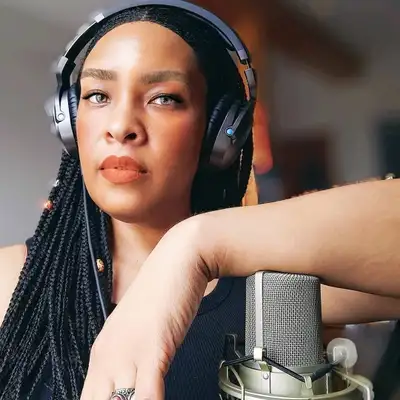
Producer
Tiffani Rozier
Tiffani Rozier is a food and hospitality writer, podcast producer, and narrative strategist whose work lives across three doors: her own byline, Wild Cabbage Productions, and the Afros & Knives Oral History Project. She writes for Fussy Magazine, the Philadelphia Inquirer, Essence, and Real Simple — the kind of cultural reporting that gets the kitchen right because she spent fifteen years working in one. Wild Cabbage develops audio and documentary work rooted in food, hospitality, and the cultural memory neither industry tends to keep. Afros & Knives is becoming an archive — a long-form oral history project tracing Black culinary lineage toward institutional placement.